
Now is a great time to get back on track with recordkeeping, evaluate or update any systems you have in place, and educate or remind your staff about their obligations. Learn more about how Paychex can help you manage your business finances with our small business solutions. Knowing how to keep financial records for a small business is all about diligence and consistency. Once you have established systems and continue to meet recordkeeping obligations, the process becomes second nature for https://www.bookstime.com/articles/self-employment-tax you and your employees. At a high level, keeping records for a small business involves the following steps.
Manage financial statements and documents
- Yes, switching from other accounting apps or products to Wave is easy!
- Finagraph keeps a history of your “finagraphs” so that you can get comparative info and make sure you’re always improving.
- It requires you to record each financial transaction just once in your overall bookkeeping record.
- You’ve used your entrepreneurial prowess to produce a product or service that your customers need.
- Electronic form templates, applications, and softwares are readily available to support recordkeeping activities.
That way, you won’t find yourself going through years of business transactions to find the one file you need. Business owners must keep some important financial documents for a certain period of time for tax filing and auditing purposes. It is important to ensure that all retention and disposal schedules are followed correctly for each type of record. Documents like receipts, gross receipts and small business expenses, debits, and credit statements should be stored for easy retrieval. Discover 6 best practices for simple record keeping for the small business owner. Purchases, sales, payroll, and other transactions you have in your business generate supporting documents.
Employment Taxes
This ensures documentation is available for IRS review regarding wages paid and taxes deposited or withheld. From payroll taxes to managing invoices, efficient bookkeeping smooths out the process of all your business’s financial tasks and keeps you from wasting time tracking down every dollar. Plus, Decimal securely stores your financial records in the cloud, accessible anytime, anywhere, so you can focus on growing your business with peace of mind.
Quarterly Cash Flow Projections Template
If so, you might consider shirking your recordkeeping responsibilities. And to make things easier on yourself, there are simple recordkeeping for small business tips and tricks you can learn. Managing transactions is a big part of any daily bookkeeping routine. It includes importing and categorizing transactions properly, reconciling these transactions and making sure they’re recorded according to your entry system and accounting method. Some accounting software products automate bookkeeping tasks, like transaction categorization, but it’s still important to understand what’s happening behind the scenes. It all begins with getting your accounting software set up correctly.
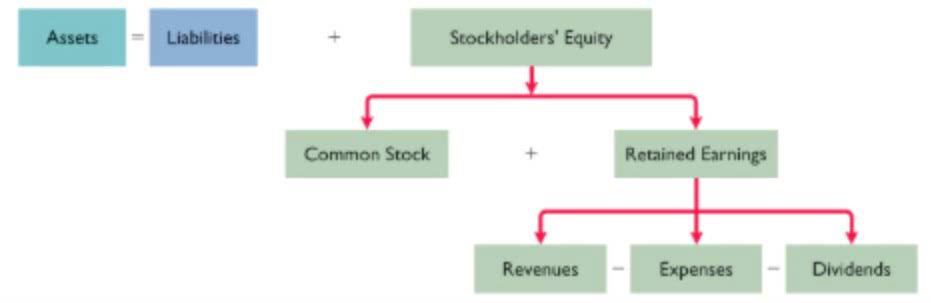
If you received property in what are retained earnings a nontaxable exchange, your basis in that property is the same as the basis of the property you gave up, increased by any money you paid. You must keep the records on the old property, as well as on the new property, until the period of limitations expires for the year in which you dispose of the new property. The best practice is to keep property records until the period of limitations expires for the year in which you dispose of the property. You must keep these records to figure any depreciation, amortization or depletion deduction and to figure the gain or loss when you sell or otherwise dispose of the property.
Ignoring your reports
- With ClickUp, you can set tasks like reviewing, checking, or updating documents during and after creation so nothing slips through the cracks.
- Running a business paperless is nice, but if you do so without backing up, it could become a massive mistake.
- Here are some questions and answers to help business owners understand the ins and outs of good recordkeeping.
- Our best expert advice on how to grow your business — from attracting new customers to keeping existing customers happy and having the capital to do it.
- Your business’s books are balanced when all of the debits equal (or cancel out) all of the credits.
It encompasses a variety of day-to-day tasks, including basic data entry, categorizing transactions, managing accounts receivable and running payroll. With our support, we provide entrepreneurs and high-growth businesses with the peace of mind that comes from knowing their small business record keeping financial information is managed with diligence and foresight. In specific situations, you may need to keep records for longer than three years.
- LINDA PINSON is the author of nine business books and the developer/publisher of the business plan software program, AUTOMATE YOUR BUSINESS PLAN.
- Moreover, a robust recordkeeping system streamlines the auditing process and minimizes the possibility of fines resulting from oversights.
- Alternatively, you can pay an accountant, bookkeeper, or outsourced accounting company to manage your accounts and ledger for you.
- However, before making any business decision, you should consult a professional who can advise you based on your individual situation.
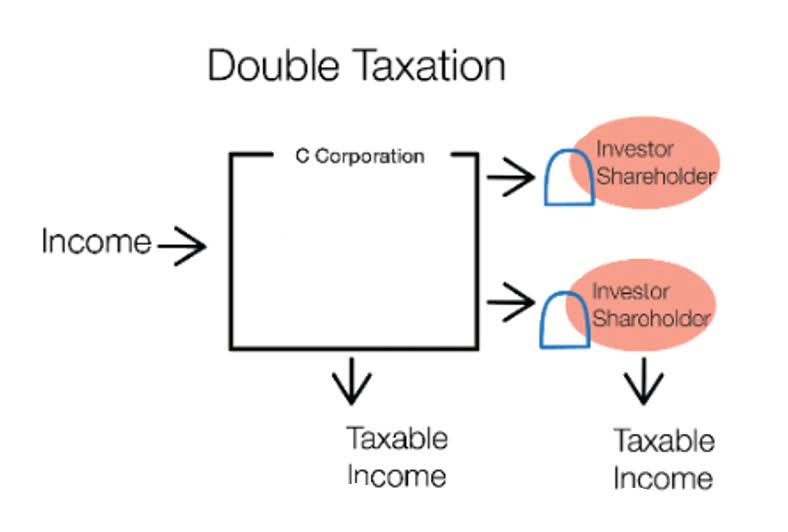
Maintaining adequate records is essential to ensure compliance with IRS guidelines. This is because the IRS has a statute of limitations that generally allows three years to audit and assess additional tax, commonly known as the three-year rule. The responsibility to validate information on tax returns is known as the burden of proof. Small business owners must be able to prove expenses to deduct them. Bookkeeping software helps you prepare these financial reports, many in real-time. This can be a lifeline for small-business owners who need to make quick financial decisions based on the immediate health of their business.

Month Cash Flow Forecast Template
Recording business assets is crucial for accurate financial reporting and tax compliance. For instance, if you underreport your gross income by more than 25%, the IRS suggests retaining your records for up to six years. In cases of fraudulent tax transactions, there is no statute of limitations, meaning records should be kept indefinitely. You’ve created your set of financial accounts and picked a bookkeeping system—now it’s time to record what’s actually happening with your money. Apart from having the data for your transaction on hand, you’ll need to decide which accounts that will be debited and credited.
What are examples of regulations requiring recordkeeping?
You don’t have to be a finance expert to run a business, but it is better not to be a complete novice. To run your business successfully, you must build familiarity with key financial reports like cash flow statements, balance sheets, and tax forms. Don’t be a master but become a jack of all trades to assess the pros and cons.